

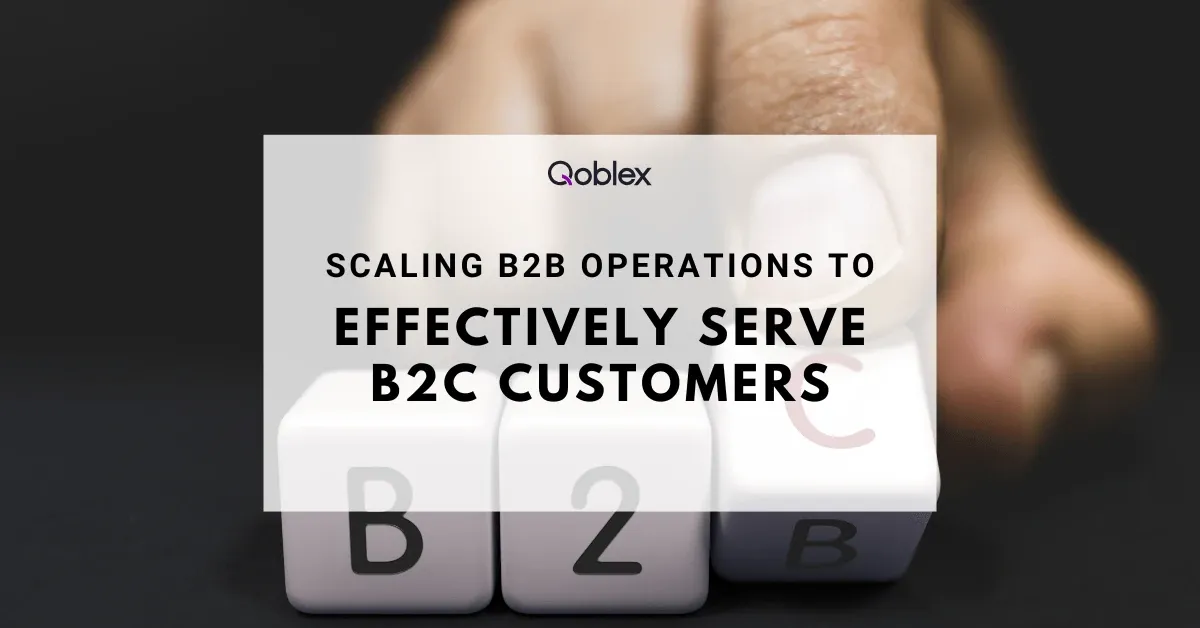
As a business owner navigating the shifting landscape of eCommerce, you may be considering the leap from B2B to B2C operations. This transition opens doors to a wider customer base, steady revenue from smaller, frequent transactions, and opportunities for growth. However, making this shift requires more than just a change in your customer approach; it involves adjusting your marketing, sales cycle, fulfillment processes, and team structure to cater to the demands of individual consumers. Here’s how to scale your operations effectively.
The B2B to B2C Transition
Expanding into B2C offers several key advantages: a broader customer reach, faster sales cycles, and increased revenue from repeat transactions. However, to make this transition successful, businesses must adjust their strategies across marketing, customer engagement, and fulfillment processes. Understanding these shifts and preparing your business for them is crucial for sustainable growth.
Key Steps for Scaling to B2C
1. Marketing and Customer Engagement
B2C marketing goes beyond transactions; it focuses on building personal connections. To succeed, you must understand your customers’ behaviors, preferences, and aspirations. Use demographic and behavioral data to create targeted campaigns that foster brand loyalty. Additionally, B2C sales often come with shorter sales cycles, enabling quicker purchase decisions. Tailoring marketing and engagement strategies to individual needs ensures that your brand resonates with your audience.
2. Streamlining Operations and Fulfillment
As your order volume increases, you’ll need to enhance your order management systems. Consider investing in a robust Warehouse Management System (WMS) to handle growing complexities in inventory and order fulfillment. Planning for scalable infrastructure is essential—whether by expanding your warehouse space or partnering with third-party logistics (3PL) providers. Ensuring that your fulfillment process runs smoothly and efficiently will help you meet rising demand without sacrificing quality.
3. Scaling Infrastructure and Technology
Once you surpass 1,000 orders per month, you’ll need to upgrade your systems. A scalable eCommerce platform, alongside automated inventory tracking and real-time order processing, will keep your operations smooth as you scale. Investing in cutting-edge technology, such as automated picking systems, dynamic shelving, and AI-driven route optimization, enhances efficiency and reduces labor costs. Moreover, maintaining a seamless returns process can improve customer satisfaction and loyalty.
4. Adapting Your Product for B2C Needs
To succeed in the B2C market, your product must be tailored to consumer desires. Understand what motivates your customers, design products that fit their lifestyles, and create a narrative that resonates with their needs. Your pricing strategy should also reflect consumer expectations—consider offering value-driven packages or time-sensitive promotions.
5. Building a Customer-Centric Team
Transitioning to B2C requires a shift in your company’s culture and structure. It’s essential to foster cross-departmental communication and ensure that all teams are aligned in their focus on consumer satisfaction. Invest in scalable technologies and train your team in digital marketing, consumer psychology, and eCommerce operations to stay ahead of the competition.
Conclusion
Successfully scaling from B2B to B2C is about aligning your operations, marketing strategies, and fulfillment processes with the expectations of individual consumers. By leveraging the right technology, building a customer-first culture, and optimizing logistics, your business can bridge the gap between B2B and B2C, creating a sustainable and profitable model. With careful planning and execution, you’ll be well on your way to thriving in the B2C world while maintaining the integrity of your B2B operations.
About Qoblex
Since 2016, Qoblex has been the trusted online platform for small and medium-sized enterprises (SMEs), offering tailored solutions to simplify the operational challenges of growing businesses. Specifically designed for B2B wholesalers, distributors, and eCommerce ventures, our software empowers users to streamline operations from production to fulfillment, allowing them to concentrate on business growth. Qoblex efficiently manages inventory and order data across multiple sales channels including Shopify and WooCommerce, integrates with popular accounting systems such as Xero and QuickBooks, warehouses, and fulfillment systems, and boasts a robust B2B eCommerce platform. With a diverse global team, Qoblex serves a customer base in over 40 countries, making it a reliable partner for businesses worldwide.