

Inventory management software for food and beverage
Food stock has a date on it, and that date is the whole problem. Qoblex tracks batches and expiry across every location, shows you what is nearing its date before it becomes waste, finds every customer who received a batch when a supplier calls, and lets a recipe be a bill of materials, so a producer selling to cafés and online runs one stock, not three.
What goes wrong when stock can expire
A general stock system counts units. Food needs to know which units, from which batch, and until when.
Waste you could have sold
The oldest batch sits at the back while the newest one ships. By the time anyone notices, the date has passed and the margin has gone in the bin.
A recall with no list
The supplier names a lot number. You need every customer who received it, today. Without batch tracking, the answer is everyone, or nobody.
A recipe that is not stock
Ingredients are counted; the product made from them is counted; the making is a gap between the two that nobody records.
Batches and expiry, across every location
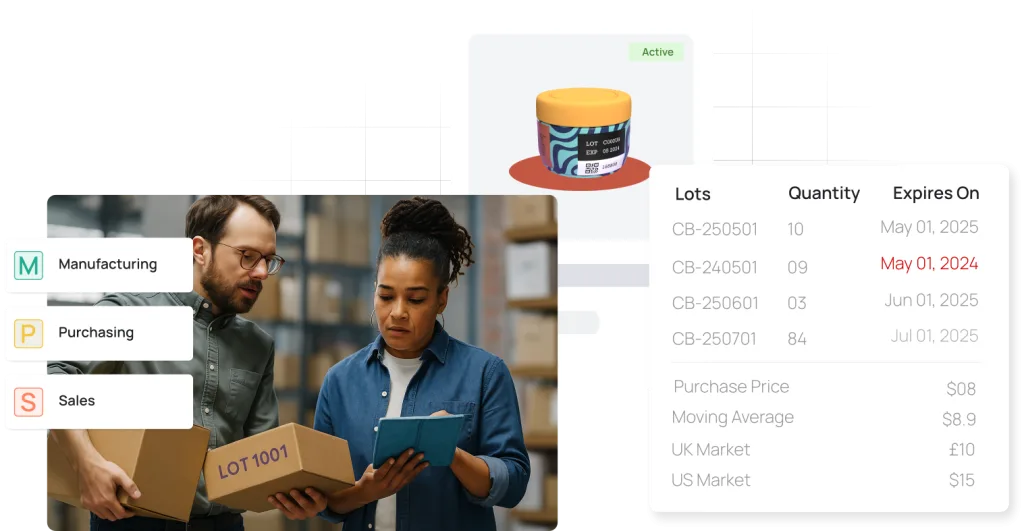
Record the batch number and expiry date as goods are received. Qoblex gives you a clear picture of what is nearing expiry across all your locations, so you can prioritise what to sell and act before stock turns into waste or a compliance problem.
Every batch, serial and movement is logged, so traceability reports and inspection questions are answered from the record rather than rebuilt by hand.
- Batch and expiry recorded on receipt, per location
- What is nearing expiry, across the business, on one screen
- A full history of every batch’s movements
A recall that names who received what
When a supplier calls about a lot, you can instantly identify the affected batches and see who received them across retail, wholesale and online, and act rather than scrambling or guessing.
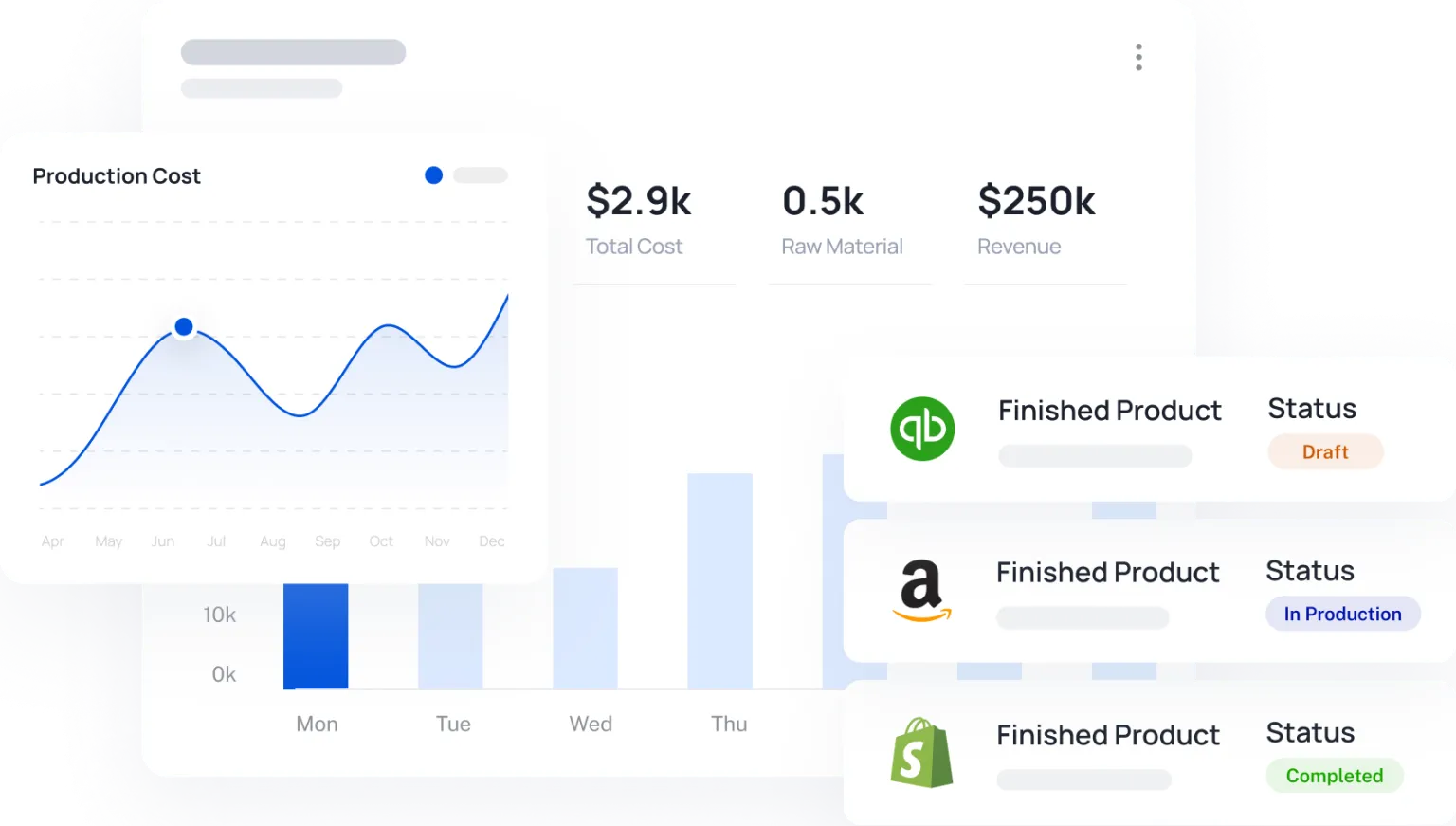
If you make product from ingredients, the recipe is a bill of materials and a production run is a production order. You choose which ingredient batches go in and assign a batch to what comes out, so the finished product carries its provenance and a recall on an ingredient finds every unit made from it.
- Affected batches and the customers who received them, in one view
- Recipes as bills of materials, with batch selection on the run
- Finished goods that inherit their ingredients’ traceability
See manufacturing.
Built for selling food three ways
To the shop, to the website and to trade, from one stock. Each part explained on its own page.
Wholesale price lists
A list per café, shop or distributor, with minimums, on the same products your web store sells.
A trade ordering portal
Your stockists reorder themselves against live stock, at their price, on your domain.
Shopify and WooCommerce
Direct-to-consumer sales from the same stock, with batches and dates intact.
Cold room, shop, van
Stock per location with transfers between them, and consignment stock you can still see.
Scan on receipt
Receive and count with the phone camera, on iPhone, iPad or Android.
Landed cost
Freight and duty on imported ingredients allocated by value, so the cost of a batch is the real one.

I am a paying customer that utilizes the integration with Shopify to Qoblex to Xero… What I trialed: TradeGecko, Cin7, and Dear Inventory… the value and service are insanely good. The number of integrations and ease of use is something I haven’t found even for triple their price.
Frequently asked questions
Expiry, recalls, recipes, and where compliance sits.
Does it pick the oldest batch first?
Qoblex shows what is nearing expiry across every location so you can prioritise it, and lets you choose which batch fulfils an order or goes into a production run. Expiry-led picking is a decision it puts in front of you, not one it makes silently.
How fast can I answer a recall?
From the batch number: the affected stock, where it is, and which customers received it, across retail, wholesale and online, from one record. Every batch movement is logged, so the report is read, not built.
Can a recipe draw down ingredients?
Yes. A recipe is a bill of materials. A production order against it consumes the ingredient batches you select and puts finished goods into stock with a batch of their own.
Does it certify me for food safety regulations?
No. It gives you the batch, expiry and movement records that inspections and traceability reports ask for, kept as a matter of course. Compliance with a specific standard is yours and your auditor’s to establish; Qoblex is the record you establish it from.
Can I sell to shops and to consumers from the same stock?
Yes. Wholesale price lists and a B2B portal sit on the same products and the same stock as your Shopify or WooCommerce store, so a pallet to a stockist and a parcel to a customer come out of one count.
How it works
Be up and running in a fraction of the time you’re expecting it to take.
- 1
Talk to an expert
Our experts have helped hundreds of product sellers just like you.
Book a demo - 2
Bring in a specialist
Engage an onboarding specialist to make it much easier for you.
Book a demo - 3
Go live fast
Unlike other systems, we can get you up and running within 1 week.